
Modern dentistry has progressed beyond traditional concerns like tooth decay and fillings, tackling more intricate conditions such as temporomandibular joint (TMJ) disorders and orofacial pain. Neuromuscular dentistry is a specialized field that focuses on the complex interactions between the teeth, jaw, muscles and nerves. Its primary goal is to offer comprehensive care by addressing conditions like TMJ pain and orofacial discomfort, which may also present symptoms such as tinnitus and other neuromuscular complications. This holistic approach enhances patient well-being, providing relief from a variety of symptoms that can negatively impact daily life.
In many patients, TMJ-related issues can also trigger persistent headaches, clicking sounds, ear fullness and ringing in the ears (tinnitus). These symptoms often stem from muscle imbalance and joint strain, making neuromuscular evaluation essential for long-term relief. By identifying these underlying causes, modern TMJ-focused dentistry offers more accurate diagnosis and effective treatment outcomes.

Neuromuscular dentistry emphasizes proper jaw alignment, ensuring the teeth and bite are correctly positioned. It also addresses related issues like sports dentistry and sleep apnoea. TMJ disorder patients often experience abnormal jaw movements while closing their mouth, seeking a balanced bite, which may contribute to muscle strain and stress.
The field extends beyond TMJ disorders and jaw movement problems, encompassing orofacial pain (OFP) disorders like neuropathic and neurovascular pain, headaches and sleep disturbances. OFP symptoms can vary widely, from headaches, neck and ear pain, dental discomfort and facial burning or stabbing sensations to jaw discomfort. Atypical symptoms, such as tinnitus (ringing in the ears), dizziness, muscle incoordination or unusual tingling or itching in the head and neck, may also occur.
You may require neuromuscular or TMJ evaluation at the TMD Clinic in Hyderabad FMS International Dental Clinic, if you experience:
✅Jaw pain or tenderness
✅Clicking, popping or grinding sounds in the jaw
✅Difficulty or pain while opening/closing the mouth
✅Frequent headaches or migraines
✅Ear pain, pressure or ringing (tinnitus)
✅Facial pain, orofacial pain or tightness
✅Muscle stiffness or fatigue during chewing, speaking or yawning

Neuromuscular dentistry at the TMD clinic in FMS international Dental Center, goes beyond treating just the jaw joint—it focuses on restoring the entire jaw–muscle–bite balance. This approach helps in diagnosing and treating a wide spectrum of functional issues, including:
Postural Issues Linked to Jaw Dysfunction
Poor bite alignment can influence neck, shoulder, back posture and it can be vice versa. Poor posture can lead to jaw dysfunction and headaches.
ASCENDING PAIN OR DESCENDING PAIN
TMJ treatment costs vary depending on the diagnostic procedures required and the treatment plan recommended by the neuromuscular dentist. At the TMD clinic in FMS International Dental Center, you can expect the following during your visit:
Transparent treatment estimates and phased payment options are provided after the diagnostic evaluation.


The duration of TMJ treatment depends on the severity of the disorder and jaw-muscle imbalance.
Typical Timeline
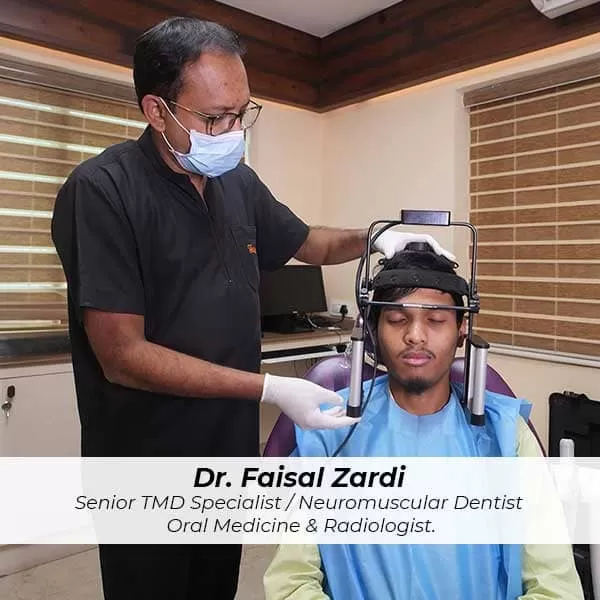
At FMS, cutting-edge technologies and techniques are employed to diagnose and treat neuromuscular dysfunctions. Tools such as Electromyography, jaw trackers, BioJVA (Joint Vibrational Analysis), Ultra Low-Frequency TENS unit, ultrasound therapy and low-level laser therapy are used to identify and treat neuromuscular disorders. Additionally, the T-Scan system provides detailed dynamic occlusal measurements, evaluating bite force distribution on individual teeth and overall bite stability.
Sleep apnoea, a condition where breathing repeatedly stops for at least 10 seconds during sleep, leads to frequent brief awakenings accompanied by gasping or choking. This cycle can repeat throughout the night. At FMS, specialists assess sleep issues through questionnaires and a thorough examination, often recommending an overnight sleep study (polysomnography) to determine the best treatment plan based on the severity and patient preferences.
In addition, at FMS, sports dentistry is a new specialty focused on preventing and managing orofacial injuries in athletes. This field also addresses oral health and occlusal splint applications. One example is the Dental Power Splint, a custom orthopaedic appliance based on neuromuscular principles, designed to enhance jaw alignment. This appliance helps athletes by improving vertebrae alignment, balance, upper body strength and reducing injury risks, providing significant benefits for those serious about optimizing sports performance.
The in-house dental lab at FMS plays an essential role in treating neuromuscular disorders. The lab specializes in creating customized appliances, such as Dental Power Splints and appliances customized to specific needs of each patient. Advanced technology and precise techniques at in-house FMS Dental Lab ensure optimal adjustments and fittings, which are critical for managing TMJ disorders, orofacial pain and sleep apnea. By offering personalized solutions with quick turnaround times, the FMS Dental Lab supports comprehensive patient care and improved treatment outcomes for those managing complex neuromuscular conditions.
A holistic approach to orofacial pain relief considers the interplay of physical, emotional and environmental factors. Here’s an elaboration on key components:
A holistic approach to orofacial pain relief encompasses a comprehensive evaluation and treatment plan that addresses various factors contributing to pain. Neuromuscular dentistry plays a crucial role by focusing on the intricate relationship between jaw mechanics, muscle function and pain perception. Together, these approaches provide a well-rounded strategy for effective pain management and improved quality of life for patients.
Neuromuscular Dentistry (NMD) is a specialized field that focuses on the relationship between the jaw, muscles and nerves. It plays a significant role in the holistic approach to orofacial pain relief by addressing the underlying neuromuscular issues that can contribute to pain. Here’s how it fits in:
Understanding Jaw Function
TMJ Dysfunction
Personalized Treatment Plans
Long-term Management

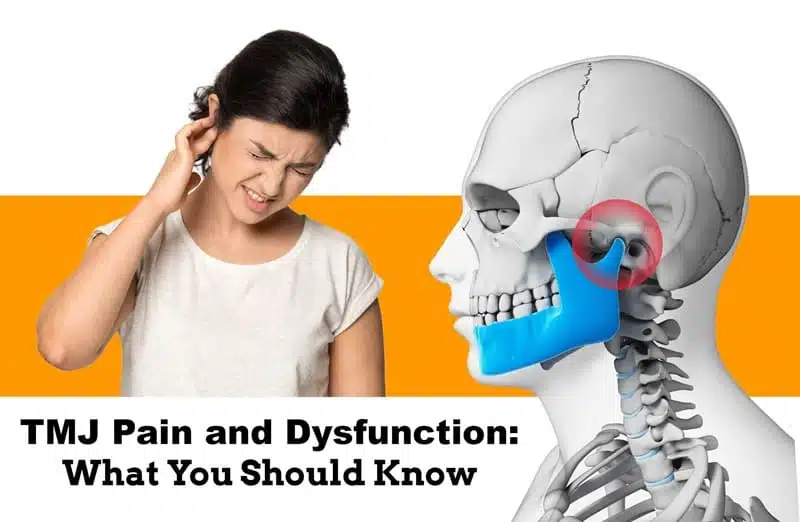
The temporomandibular joint (TMJ) is a sliding hinge joint located just in front of each ear on both sides of your face. …
Your smile is one of the most powerful expressions of confidence. It defines your personality…
A confident smile can transform not only your appearance but also your self-esteem, social interactions, and overall quality of life. …
TMJ disorder refers to dysfunction of the jaw joint and its associated muscles. Causes include misaligned bite, muscle overuse, trauma, stress, or arthritis in the joint.
TMJ disorders are typically caused by a combination of factors such as jaw misalignment, stress-related grinding or clenching, arthritis in the joint, trauma to the jaw, poor posture, or chronic muscle fatigue.
FMS TMD (Temporomandibular Disorder) clinic specializes in neuromuscular dentistry, diagnosing and treating jaw joint (TMJ) disorders, orofacial pain, headaches and related muscle issues.
The TMD Clinic (Temporomandibular Joint Disorder Clinic) is located at the FMS International Dental Center on Hitec City Road, Jubilee Hills, Hyderabad.
Yes. Orofacial pain is often linked to underlying jaw-muscle dysfunction or TMJ issues. A neuromuscular dentist is specially trained to diagnose the root cause using advanced tools like EMG, JVA and jaw tracking. Senior Neuromuscular Dentists at FMS International Dental Center can help you get relieved of orofacial pain.
Yes, many TMJ issues can be minimized with early intervention—such as correcting bite problems, managing stress, treating grinding and avoiding harmful habits like chewing ice or hard objects. Consult top Neuromuscular Dentists in Hyderabad at FMS International Dental Center, Jubilee Hills for TMJ disorders.
The neuromuscular dentists (TMJ specialists in Hyderabad) at FMS international Dental clinic in Jubilee Hills, Hyderabad, use advanced diagnostics like T-Sacan & BIOPAK which includes, JVA (Jaw Vibration Analysis), 3D jaw tracker, surface EMG (electromyography) sensors, ultra-low-frequency TENS unit and ultrasound therapy and low-level laser therapy are used.
FMS International Dental Center near Banjara Hills, hosts TMJ pain treatment clinic in Jubilee Hills, Hyderabad. Patients frequently come visit this International Dental Center in Jubilee Hills center for TMJ treatment.
Untreated TMJ disorders can lead to chronic headaches, facial pain, ear problems, neck stiffness, disturbed sleep, difficulty chewing and long-term jaw degeneration.
Yes. When correctly diagnosed, TMJ disorders respond very well to neuromuscular therapies such as splint therapy, TENS, muscle relaxation protocols and bite rehabilitation.
Neuromuscular Dentists at the TMD clinic in FMS International Dental Center, Hyderabad create customized treatment plans which may include splint therapy, bite alignment, muscle rebalancing, and neuromuscular rehabilitation.
Yes, FMS International Dental Center has an in-house cutting-edge FMS Dental Lab that fabricates custom power splints and other neuromuscular appliances.
The holistic neuromuscular dentistry approach considers muscle tension, temporo mandibular joint function and other factors contributing to chronic pain and treats accordingly.
The diagnostic session includes medical history, biomechanical tests (T-scans, jaw tracking, EMG) and may take one or more visits, depending on complexity of the case. So, consulting a neuromuscular dentist always gives a full picture of the exact time frame.
Treatment duration varies from a few weeks to several months depending on severity. Pain relief often begins within the first few weeks of therapy.
Surgery is rarely required and considered only in severe cases such as joint ankylosis, severe disc displacement, or structural degeneration that doesn’t respond to conservative therapy. At the TMD clinic in FMS International Dental Center, Jubilee Hills, Neuromuscular Dentists perform non-surgical TMD treatments in Hyderabad.
If pain is accompanied by jaw clicking, difficulty opening your mouth, ear symptoms, or facial muscle tightness, it is highly suggestive of TMJ disorder. A specialist evaluation confirms the diagnosis.
FMS International Dental Center in Jubilee Hills, Hyderabad provides TENS (Transcutaneous Electrical Nerve Stimulation) therapy for patients suffering from TMJ (Temporomandibular Joint) disorders. TENS therapy is a key component of neuromuscular diagnostic and treatment protocol at FMS.
For specific details on insurance coverage or payment plans, you would need to contact your insurance company, as the coverage depends on the specific plan.
Yes, FMS International Dental Center in Jubilee Hills, is very accessible for Hitec City / Madhapur residents and many of the TMJ specialists are based there.
Neuromuscular dentistry focuses on the harmony between teeth, muscles and jaw joints. Unlike conventional dentistry—which focuses mainly on teeth & gums—neuromuscular dentistry uses advanced technology to evaluate muscle activity, jaw position and bite dynamics.
Yes. Muscle tension from an imbalanced bite is one of the most common causes of chronic headaches, ear pain, tinnitus and neck stiffness.
Non-surgical therapies include neuromuscular splints, TENS therapy, physiotherapy, bite correction, stress management, laser therapy and occlusal rebalancing.
Common signs of TMJ disorder include jaw pain, clicking or popping sounds, difficulty in opening/closing mouth, chronic headaches, neck pain and facial muscle fatigue.
Yes, TMD clinic at FMS International Dental Center in Jubilee Hills, design long-term care plans, including follow-up visits, splint adjustments and muscle therapy for the TMJ disorder patients.
Yes, neuromuscular dentistry team at FMS International Dental Center, comprises experienced specialists trained in jaw-muscle diagnostics and therapy.
Yes. Custom-made neuromuscular splints position your jaw in a relaxed and physiologically balanced state, reducing strain on muscles and joints.
Using technology like EMG, jaw tracking and TENS, the neuromuscular dentist identifies your ideal jaw position and creates appliances or treatment plans that bring your bite into harmony.
Most TMJ disorders can be managed effectively and in many cases, completely resolved with timely neuromuscular treatment.
Thanks to cutting-edge in-house FMS Dental lab, neuromuscular dentists at FMS TMD clinic can fine-tune and customize splints using jaw-tracking data and EMG readings for precise fit.
Often yes — by rebalancing the jaw muscles and bite, neuromuscular therapy can improve both function and aesthetic aspects.
Yes, FMS International Dental Center is designed for both local and international patients, with world-class infrastructure and specialty services.
Absolutely. Stress increases clenching/grinding, leading to muscle fatigue and joint inflammation, worsening the condition.
Surgery is considered only when conservative neuromuscular treatments fail or when the joint has structural damage such as severe disc displacement, tumors, or ankylosis.
Yes. Severe TMD can restrict mouth movements, affect speech patterns and even alter facial muscle balance leading to asymmetry.
Poor head and neck posture can strain the jaw muscles, shifting the bite and increasing TMJ stress. Correcting posture is part of holistic TMJ therapy.
Yes. The jaw joint sits very close to the ear canal. Muscle tension or joint inflammation can irritate surrounding nerves, resulting in tinnitus.
Symptoms usually worsen over time leading to chronic pain, restricted jaw movement, bite collapse, sleep disturbances and long-term joint damage.
You can call our appointment numbers 8885060770 / 040-2222-1111, or use the website’s appointment form, https://www.fmsdental.com/appointment-booking/ to schedule a TMJ consultation.
Yes, FMS International Dental Center has in-house CBCT (3D imaging) which helps in detailed assessment of jaw joints.
TMJ relief timelines vary — some patients feel improvement within a few weeks of splint therapy or muscle rebalancing, while others may take longer depending on severity.